

Fair to say, Real Madrid have had quieter weeks. Following last Sunday's defeat in the Supercopa de España Final against Barcelona, manager Xabi Alonso was sacked. Most agreed that this dismissal was extremely harsh, given that Alonso had won 24 of his 34 matches in charge, losing only six.
Nevertheless, President Florentino Pérez decided to replace him with Alonso's former teammate at Liverpool, Madrid and with the national team Álvaro Arbeloa. Well, the 42-year-old did not exactly enjoy the dream start to life in his dream job.
On Wednesday night, Los Blancos were ingenuously dumped out of the Copa del Rey by Segunda División strugglers Albacete Balompié. Seemingly set for defeat, Gonzalo García salvaged a stoppage-time equaliser at the Carlos Belmonte, making it 2-2.
As Los Merengues pushed for a third before extra time, they were left massively exposed at the back, allowing Jefté Betancor to snatch a famous winner for los Queso Mecánico in astonishingly impudent fashion.
So now, after only one match in the role, Arbeloa is already a man under enormous pressure. Real Madrid host Levante this weekend and then Monaco in the Champions League on Tuesday, before a key clash with third-place Villarreal at Estadio de la Cerámica next Saturday night.
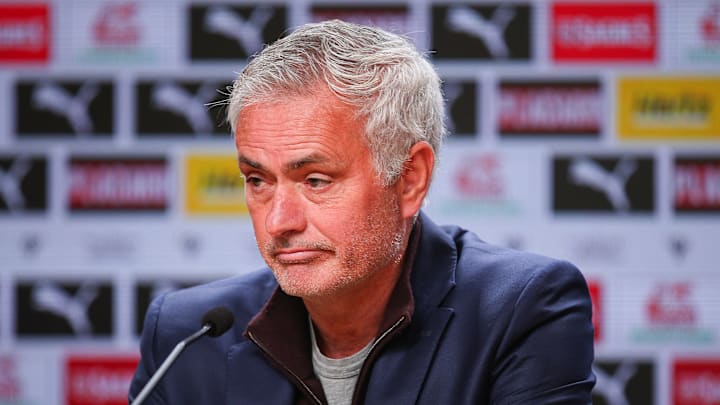
Given all the chaos and turmoil at the Bernabéu this week, reminiscing about the tenure of José Mourinho may be more relevant now than ever before.
How José Mourinho managed to work with Florentino Pérez
Since the sacking of Vicente del Bosque, only five Real Madrid managerial tenures have lasted 100 matches or more. They are Carlo Ancelotti twice, Zinédine Zidane twice and José Mourinho.
Both Zizou and Don Carlo did deliver multiple Champions League titles, something Mourinho was unable to do; the Special One was defeated in three successive semi-finals by Barcelona, Bayern Munich and Borussia Dortmund.
Nevertheless, he arrived at a time when Barça were completely dominant. Lionel Messi was at the peak of his powers, while Pep Guardiola was overseeing a super team containing, arguably, the best midfield of all time, namely featuring Sergio Busquets, Xavi and Andrés Iniesta.
So, Mourinho was tasked with changing Madrid's style, philosophy and culture, managing to wrestle back the La Liga title in 2012, accumulating 100 points and scoring 121 goals. Given where the club was at the time, Pérez relinquished some power to Mourinho, signing and selling the players he wanted.
During his first window, Ángel Di María, Ricardo Carvalho, Sami Khedira and Mesut Özil all arrived, with club legends Raúl and later Iker Casillas sidelined over time. Subsequently, no Real Madrid manager has been given such freedom, with any coach who has attempted to implement their own ideas deemed too radical quickly dispensed with.
So now, unless one operates with an Ancelotti or Zidane-esque laissez-faire approach, Real Madrid as a club is becoming unmanageable. He has only had one game at the helm, but Arbeloa surely is not the long-term solution, so where does Pérez go from here?
 Add us as a preferred source on Google